Remember 2006?
Finding new music entailed one of three options. Either you asked your friends, bought an album by judging its cover, or spent forty-five minutes at HMV listening to songs using those tiny headphone stands while being embarrassed about the whole process.
It was not because there was no good music out there. More good music was available in 2006 than anyone in their life would have time to listen to. The problem was how to discover such music. Until then, no one had figured out a system that could help find something you did not even know you needed by utilizing what you were already listening to.
Enter Spotify and change the entire game.
Instead of "here are all albums, good luck," it asks who you are, what do you like? At what time of the day it is? What activity are you up to? And finds you a music fitting into all the categories.
The music has always been there. What was missing was the matching algorithm.
Do those sound familiar?
Right now, there are hundreds of thousands of rooms available to be rented out in the UK. On Rightmove. On Zoopla. On Gumtree. Even on Facebook groups which somehow manage to exist.
The issue is not with the number of available rooms.
A typical UK renter looks through an average of twenty-seven rooms before finally renting something. Twenty-seven. This is not a search issue. You can do your searches easily enough. There are filters for price, for location, for whether bills are included, for pets, for parking, for whether the landlord lets you have a plant in the kitchen.
Search away to your heart’s content. What you can’t do – on any large-scale platform – is match.
What the platforms got wrong
The property industry took a look at the internet and realized they had a catalogue issue. Too many rooms. Too many tenants. No good way of connecting them. So they started creating better catalogues. Faster searches. Filters. Pictures. Virtual tours. Notifications.
It was all helpful. Not enough, though.
Because the thing that decides whether you’re happy in your place is not how far away from the nearest subway stop your place is. It’s not about the size of your apartment or the state of your kitchen. It’s not even about the cost – this is where the surprise comes in – because 72% of UK renters would be willing to pay extra money to live with the right people.
What makes you happy in your apartment is who you live with.
And nobody catered to that need.
The Spotify moment
This was what Spotify knew and understood that the music industry failed to comprehend.
It wasn’t about the music; it was about the experience of discovering music that was tailor-made for oneself. The playlist that understands one even better than one understands himself or herself. And how one gets to discover an artist one never knew before that becomes his favorite.
The music companies believed that their business was that of selling songs. Spotify knew that their business was matching people with music they would enjoy.
The property portals believe that their business is listing rooms. We know that their business is matching people with homes they would be happy with.
It is a completely different business.
What Cribo is actually building
This isn’t about having more listings, quicker alerts or better-looking photos. That’s all been solved and, even after twenty years of effort by the industry, the average renter sees twenty-seven rooms until he finds somewhere to live.
We’re building the matching layer that the industry forgot.
Every listing on Cribo gets verified before you ever see it. No fakes. No bait and switch. No rooms left three weeks ago which suddenly show up in your search results at 2am because you’re desperate.
Every renter profile collects the real data. Not “budget: £900, area: Hackney” — but sleep pattern, working from home, conflict resolution, do you throw parties, what does your kitchen look like on a Tuesday night. The factors that make or break a flatshare experience.
And we surface matching rooms and matching renters. Not just vacant rooms.
Why now
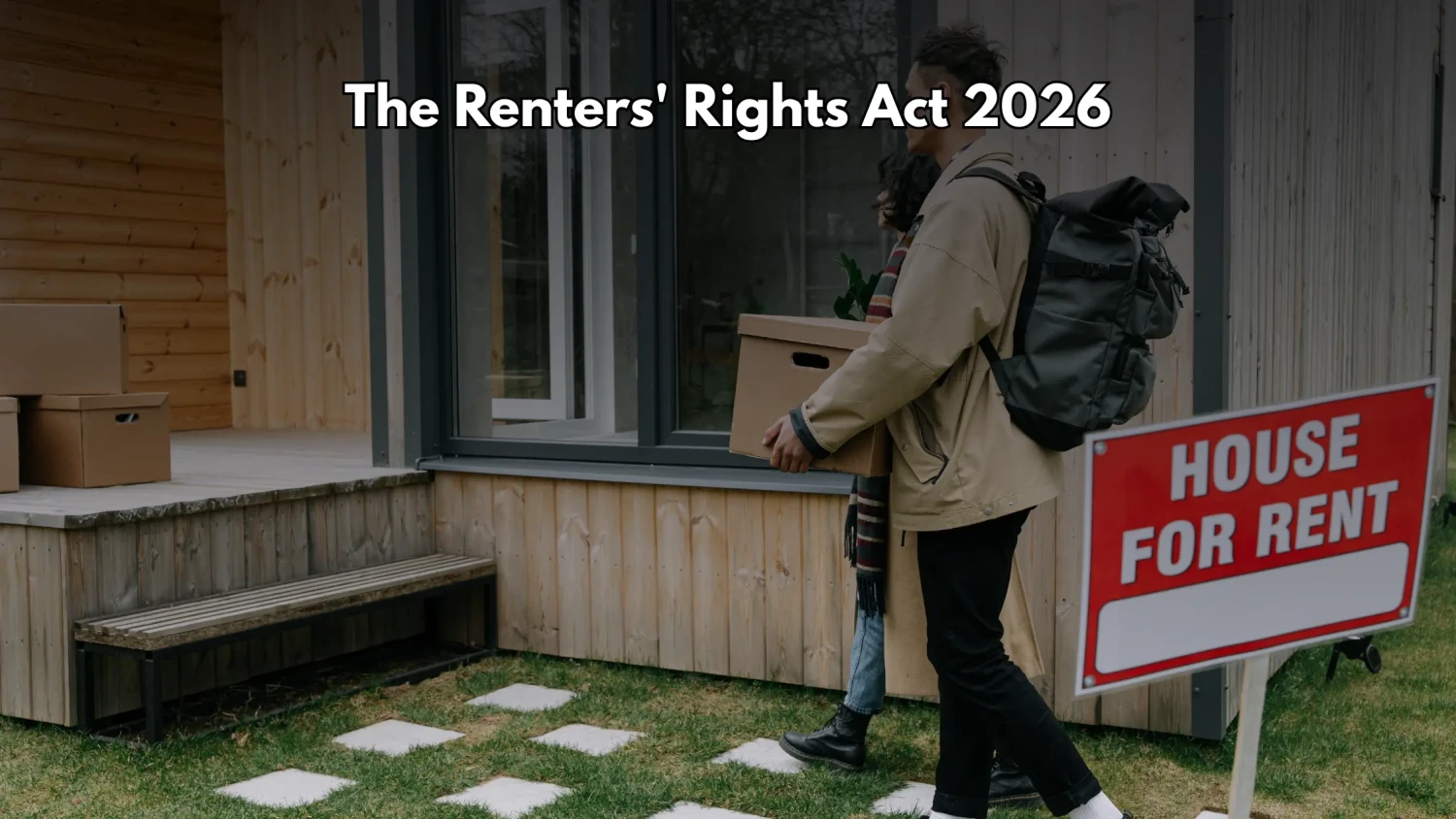
The introduction of the Renters’ Rights Act has completely flipped the equation on this issue.
Whereas for landlords there was always the safety valve provided by Section 21. If things didn’t work out with your tenants then you could still move them on. This is no longer the case. The need to get the initial match right has moved from being a luxury to becoming a necessity. And getting this match right does not mean having great photos anymore. It means having great matches.
For renters, the rental market has never been tougher. There is six times as much demand as supply in London alone. You can’t afford to spend three months looking at all the incorrect matches. You need to find the correct one faster and with enough confidence that you can make a decision on whether it’s worth living in.